

Exploring the evolution of casinos from ancient games to modern marvels
The Origins of Gambling
The history of gambling dates back to ancient civilizations, with evidence found in Mesopotamia around 3000 BC. Early forms of gambling were often intertwined with religious and social practices, with dice made from bones and rudimentary games that engaged the community. These early games were not merely for entertainment; they were also used as tools for decision-making and divination, demonstrating the foundational role of chance in human culture. As the world advanced, new platforms such as Katanaspin casino emerged, providing various ways for players to engage in betting.

As societies evolved, so did the games played. Ancient Egyptians created betting games involving the roll of dice, while the Romans popularized board games that involved wagering on outcomes. The emergence of such games laid the groundwork for gambling as a leisure activity, where social gatherings often included stakes and bets, thus forging a bond between games and community interaction. This historical context is crucial in understanding the evolution of casinos.
The transition from casual games to organized gambling began with the establishment of gaming houses in Europe during the Middle Ages. These establishments were the precursors to modern casinos, allowing for more structured play and the introduction of specific rules and betting systems. The concept of risk and reward became central, setting the stage for the future development of gambling establishments as we know them today.
The Rise of Casinos in the 17th and 18th Centuries
The first official casino, the Casino di Venezia, opened its doors in 1638 in Venice, Italy. This marked a significant turning point in the evolution of gambling. The concept of a dedicated space for gaming attracted the elite and provided a controlled environment where games could flourish. The Venetian casino featured games like faro and baccarat, which became immensely popular among gamblers, influencing the establishment of future casinos worldwide.
During the 18th century, casinos began to spread across Europe, particularly in France. The Casino de Spa in Belgium and the elegant establishments in Monaco drew in aristocrats and wealthy patrons. These luxurious venues were not just places to gamble; they became social hubs where patrons could enjoy fine dining, entertainment, and the thrill of risk. This blend of luxury and gaming established casinos as symbols of sophistication and opulence.
As the popularity of casinos grew, so did the regulations governing them. Governments began to recognize the potential tax revenue from gambling establishments, leading to the legal framework that defines modern casinos. The standardization of games, the introduction of house rules, and the establishment of gaming commissions marked a shift towards more organized and regulated gambling, ensuring fair play while maintaining the allure of risk.
The American Casino Boom
The 20th century marked a seismic shift in the landscape of gambling, particularly with the rise of casinos in the United States. Las Vegas became synonymous with gambling culture in the 1940s, transforming from a desert town into a bustling center of entertainment and gaming. The construction of lavish resorts and casinos attracted millions of visitors each year, turning Las Vegas into a focal point of American leisure culture.
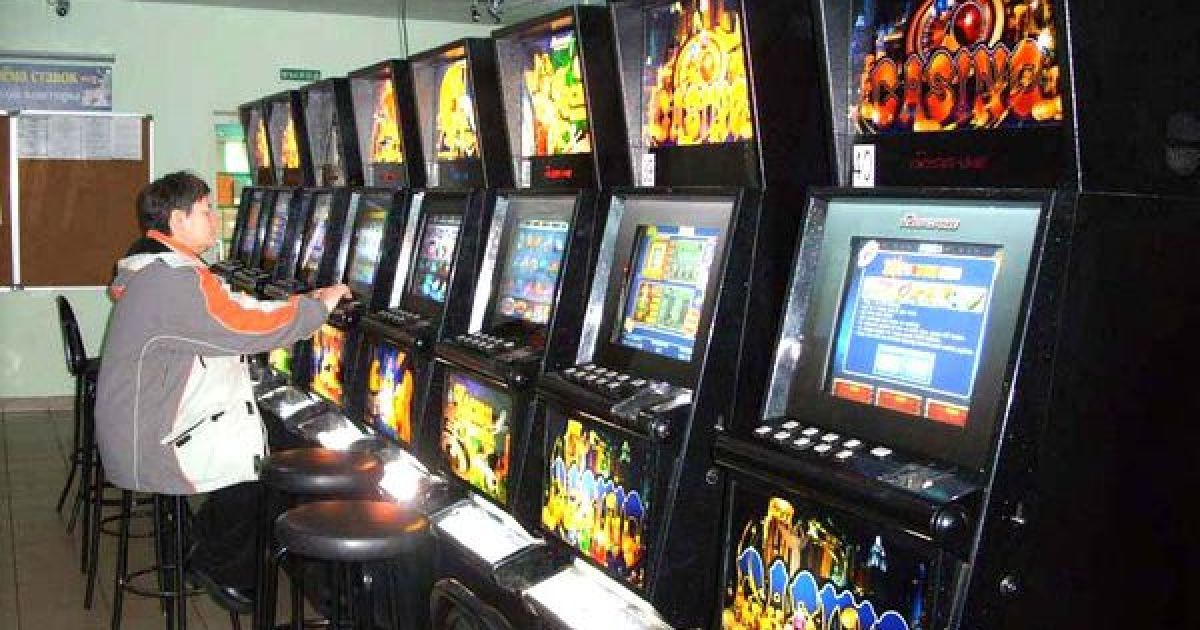
This era saw the introduction of slot machines, which revolutionized the gambling experience. With their flashing lights and simple mechanics, these machines offered an accessible way for people to gamble. Unlike traditional table games requiring skill and strategy, slots catered to a broader audience, contributing to the explosive growth of casinos and making gambling a mainstream activity.
The legalization of gambling in various states throughout the latter half of the century further fueled the casino boom. New Jersey’s Atlantic City emerged as a rival to Las Vegas, offering a different gaming experience with its beachside allure. The competition between these gambling hubs led to continuous innovation, including themed resorts and entertainment options that complemented the gaming experience, making casinos a significant component of the tourism industry.
The Digital Revolution and Online Casinos
With the advent of the internet in the late 20th century, the gambling landscape was poised for another transformation. Online casinos began to emerge in the mid-1990s, allowing players to enjoy their favorite games from the comfort of their homes. This shift democratized access to gambling, making it available to a global audience and reshaping the way people interact with casinos.
Online casinos like KatanaSpin, which launched in 2024, offer an extensive selection of games, including thousands of slots and table games. These platforms provide user-friendly interfaces and innovative features such as live dealer options, enhancing the gaming experience. The convenience of online gambling, combined with generous welcome packages and bonuses, has attracted a diverse range of players, from casual gamers to seasoned gamblers.
The digital revolution has also introduced advanced technologies in gaming, such as virtual reality and blockchain. These innovations promise to enhance player engagement and security, offering a glimpse into the future of casinos. As technology continues to evolve, online casinos are likely to redefine the gambling experience further, ensuring that the industry remains dynamic and responsive to changing player preferences.
Exploring KatanaSpin
KatanaSpin is a modern online casino and sportsbook that exemplifies the latest trends in the gambling industry. Launched in November 2024, it offers players a vast selection of over 4,500 games, including more than 2,600 slot titles. This extensive library caters to various tastes, ensuring that there is something for everyone, whether they prefer classic slots, table games, or immersive live dealer experiences.
The platform is designed with user experience in mind, providing a seamless registration process and a variety of payment options, including traditional cards and cryptocurrencies. This adaptability ensures that players from different regions can easily participate in the gaming experience. Moreover, the generous welcome package featuring a 255% bonus and free spins highlights KatanaSpin’s commitment to attracting and retaining players.
With 24/7 customer support, KatanaSpin prioritizes player satisfaction and safety. As the online gambling market continues to grow, platforms like KatanaSpin represent the future of casinos, blending entertainment, technology, and accessibility into a comprehensive gaming experience that appeals to a broad audience. Whether you are a novice or an experienced player, KatanaSpin aims to create an engaging and rewarding environment for all.